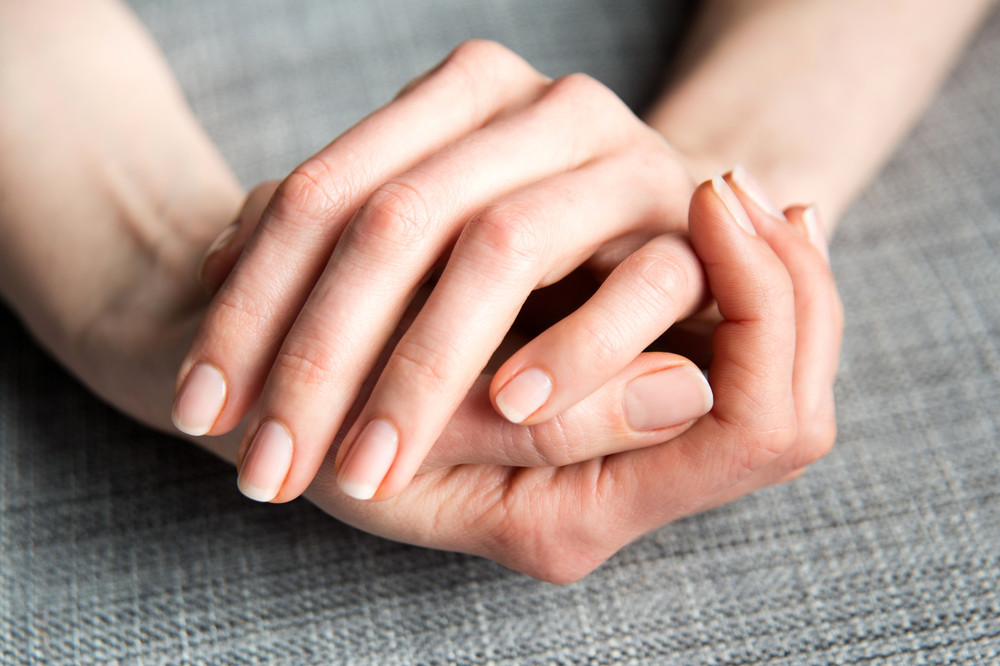
Have you ever wondered what gives your nails their strength and structure? The answer lies in a remarkable protein called keratin. This fibrous, tough protein is the fundamental building block not only for your nails but also for your hair and the outer layer of your skin. Essentially, keratin acts as a protective shield, forming durable structures that guard against environmental damage. In nails, it’s what makes them hard, resilient, and capable of protecting our sensitive fingertips.
Keratin and Your Nails: An Essential Relationship
Your nails are primarily composed of tightly packed, dead keratin cells. These cells are produced in the nail matrix—the hidden part under the cuticle. As new cells form, they harden and push the older cells forward, creating the visible nail plate. Think of keratin as the bricks and mortar in a wall; its quality and density directly determine the nail’s strength, flexibility, and overall health. There are different types of keratin, and nails contain a particularly hard variety rich in sulphur, which forms strong disulfide bonds. This is why healthy, keratin-rich nails are smooth, firm, and resistant to splitting.
Is Keratin Beneficial for Nails?
Adequate keratin is crucial for preventing common nail problems. Strong keratin structure means less:
- Brittleness and splitting: Nails bend slightly instead of snapping.
- Peeling and flaking: The nail layers remain tightly bound.
- Softness and easy tearing: Nails maintain their necessary hardness.
Therefore, supporting your body’s natural keratin production is synonymous with promoting nail health.
Why Does Nail Keratin Decrease?
Several factors can weaken keratin structure or hamper its production:
1. Nutritional Deficiencies: Keratin is a protein. Diets low in protein, biotin (B7), iron, zinc, and vitamins A, C, and E can impair its synthesis.
2. Aging: Natural keratin production slows down with age, often leading to thinner, more brittle nails.
3. Frequent Exposure to Harsh Chemicals: Overuse of nail polish removers (especially acetone-based), household cleaners, and constant water exposure can strip away natural oils and dehydrate the keratin, making it brittle.
4. Physical Trauma: Repeated typing, using nails as tools, or aggressive manicuring can damage the keratin structure.
5. Health Conditions: Issues like thyroid disorders, anemia, or severe stress can disrupt the nail growth cycle and keratin formation.
How to Boost Nail Keratin?
You cannot apply pure keratin directly to nails for lasting strength—it must be built from within. Focus on nourishment:
- Eat a Protein-Rich Diet: Include eggs, lean meats, fish, beans, lentils, and nuts. Keratin is a protein, so you need ample building blocks.
- Key Nutrients: Prioritize biotin (found in eggs, salmon, almonds), iron (leafy greens, red meat), zinc (seeds, shellfish), and antioxidants (berries, bell peppers) to support production and protect cells.
- Stay Hydrated: Drink plenty of water. Hydrated nails are more flexible and less prone to breakage.
Nurturing Your Nails for Lasting Health
While internal support is key, external care protects the keratin you have:
1. Keep Nails Clean and Dry: Prevent bacteria growth and reduce swelling/weakening of the nail plate.
2. Moisturize: Apply hand cream daily, rubbing it into your cuticles and nails. Use oils like jojoba or coconut for deep conditioning.
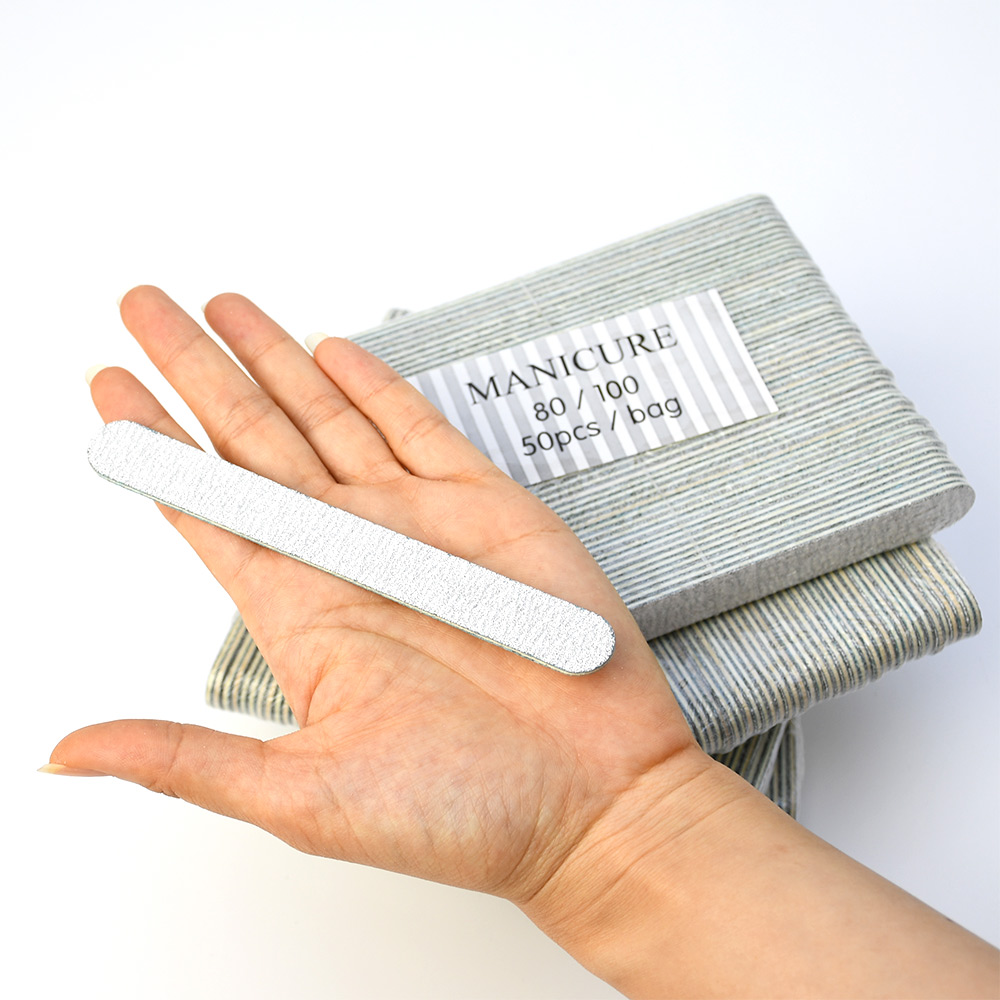
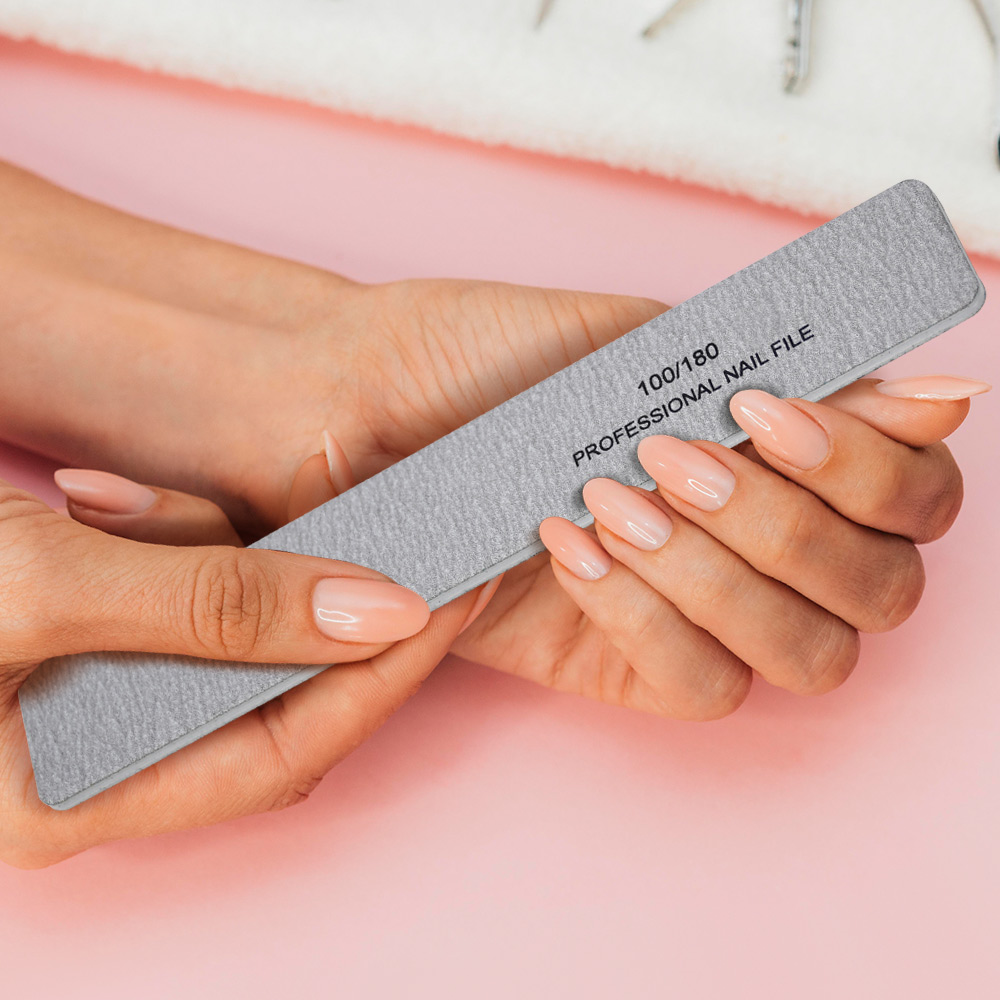
3. Gentle Manicuring: File nails in one direction with a soft nail file. Avoid cutting cuticles aggressively, as this can invite infection.
4. Wear Gloves: Protect nails from harsh detergents and prolonged water exposure.
5. Limit Harsh Products: Give nails regular breaks from polish and removers. Opt for acetone-free removers.
6. Don’t Use Nails as Tools: This puts extreme stress on the keratin structure.
In summary, keratin is the cornerstone of beautiful, functional nails. By understanding its role, addressing the factors that deplete it, and adopting a holistic approach of internal nutrition and external protection, you can actively support your body’s natural processes. The result will be stronger, healthier, and more resilient nails that reflect your overall well-being. Consistency is key—treat your nails with mindful care, and they will thrive.
Read also: Unleash the Magic: Your Guide to Purr-fect Cat Eye Nails
