Gel nails are a blessing—until they start lifting. That’s when the temptation to peel them off becomes almost irresistible. I’ve been there. A tiny edge lifts, you give it a gentle tug, and the whole thing comes off in one satisfying strip. Along with several layers of your natural nail.
Here’s the truth: gel polish doesn’t damage your nails. Peeling it off does. The good news? Removing gel nails safely at home is easy when you know the right method. No expensive tools required.
Why You Should Never Peel Gel Polish
Gel polish is designed to bond chemically to your nail plate. When you peel it off, you’re not just removing the color—you’re ripping off layers of your natural nail. The result is thin, weak, painful nails that take months to recover.
Peeling also leaves the nail surface rough and uneven, making it harder for your next gel manicure to stick. It’s a cycle that ends with damaged nails and frustration.
What You’ll Need
Before you start, gather these supplies:
- 100% pure acetone (not “acetone‑free” remover)
- Cotton balls or pads
- Aluminum foil – cut into 10 squares (about 3×3 inches)
- Nail file – medium grit (180–240)
- Cuticle pusher or orangewood stick (wood is gentler than metal)
- Nail buffer – fine grit for smoothing
- Cuticle oil – essential for aftercare
- Rich hand cream
The Safe Soak‑Off Method
This is the method professionals use. It takes a little patience, but your nails will thank you.
Step 1: File the Top Coat
Use your nail file to gently buff the shiny top layer off each nail. You don’t need to remove all the color—just rough up the surface so acetone can penetrate. Be careful not to file into your natural nail.
Why this matters: The top coat is the most durable layer. Acetone can’t get through it without this step.
Step 2: Soak the Cotton
Saturate a cotton ball with pure acetone. It should be wet but not dripping. Place it directly on your nail, covering the entire surface.
Step 3: Wrap with Foil
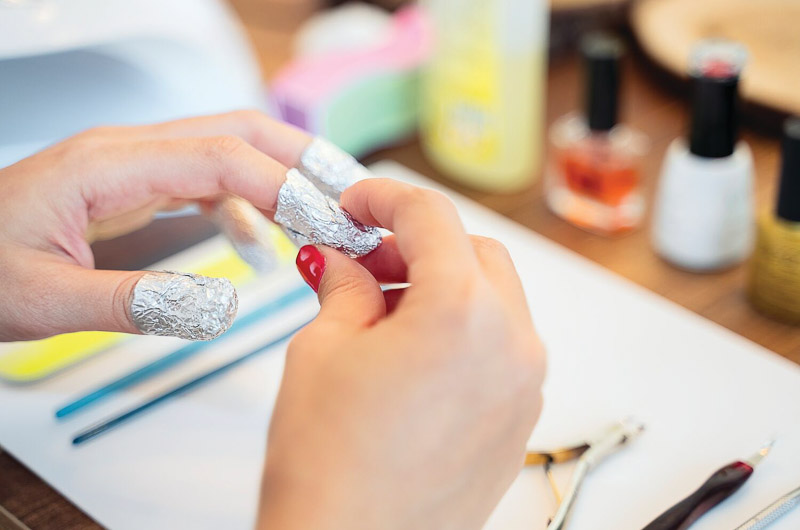
Wrap a foil square tightly around your fingertip, holding the cotton in place. The foil should be snug but not cutting off circulation. Repeat for all ten fingers.
Step 4: Wait
Set a timer for 10–15 minutes. This is the hardest part—don’t peek. Every time you unwrap, you release acetone vapor and slow the process.
Pro tip: Warm hands speed up the reaction. Wrap your hands in a towel or sit on them for a few minutes.
Step 5: Check and Push
Unwrap one finger and gently test with your cuticle pusher. The gel should slide off easily with light pressure. If it resists, rewrap and wait another 5 minutes.
Never scrape or force. If the gel doesn’t come off, you didn’t wait long enough. Forcing it damages your natural nail.
Step 6: Remove Residue
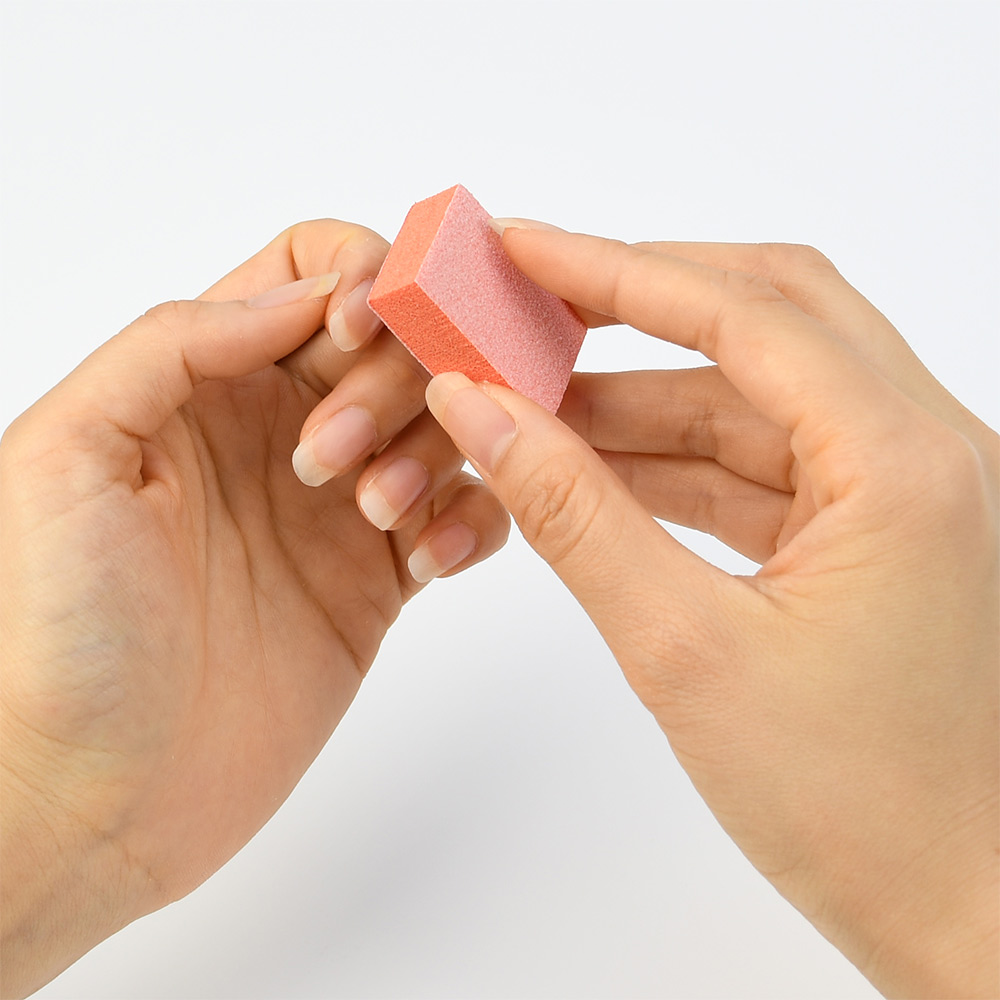
After all gel is removed, lightly buff any remaining bits with a fine buffer. Don’t file aggressively—just smooth the surface.
Step 7: Wash and Hydrate
Wash your hands with soap and water to remove acetone residue. Then apply cuticle oil generously to every nail and massage in. Follow with a rich hand cream.
Acetone is extremely drying, so this step is non‑negotiable.
What If You Have Hard Gel or Acrylic Overlays?
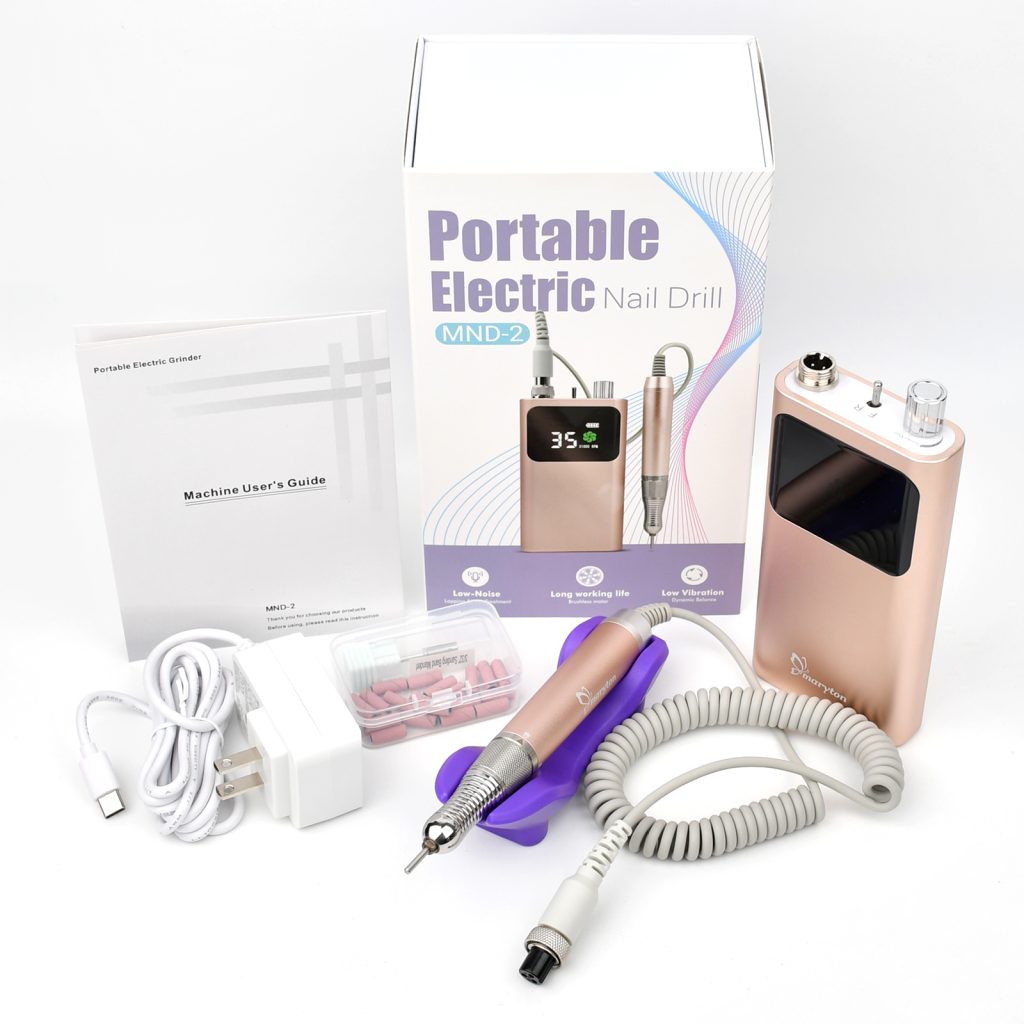
The soak‑off method works for soft gel polish and some builder gels. But if you have hard gel or acrylic enhancements, they won’t dissolve in acetone. For those, you need an e‑file or professional help.
If you’re unsure what type of gel you have, try a small patch test: file the top coat and soak one nail for 15 minutes. If the product softens, it’s soak‑off. If it stays hard, you’ll need to file it off.
Common Mistakes to Avoid
Using non‑acetone remover. It won’t work on gel. You need pure acetone.
Skipping the file step. Acetone can’t penetrate an intact top coat.
Scraping with metal tools. Metal pushers can gouge the nail plate. Use wood or silicone.
Rushing the wait time. Ten minutes is the minimum. Fifteen is better. Patience prevents damage.
Forgetting cuticle oil. Acetone dehydrates everything. Oil immediately after and daily for the next week.
Aftercare: Restoring Your Nails
Your nails will be slightly dehydrated after removal. Here’s how to get them back to health:
- Apply cuticle oil morning and night for at least a week.
- Use a nourishing hand cream after every wash.
- Give your nails a break for 24–48 hours before applying new gel.
- If your nails feel thin or sensitive, apply a keratin treatment or nail strengthener.
How Often Should You Remove Gel?
Every 2–3 weeks is typical. Don’t leave gel on for months—it can lift and trap moisture underneath, leading to fungal infections. And don’t “fill” gel polish like you would acrylics. Gel polish is meant to be fully removed and reapplied fresh.
The Bottom Line
Removing gel nails safely doesn’t require special skills or expensive equipment. It requires patience, pure acetone, and the discipline to never, ever peel. Fifteen minutes of waiting beats months of damaged, thin nails.
Your natural nails are the foundation of every beautiful manicure. Treat them with care, and they’ll reward you with strength, length, and health.
Read also: Keratin: The Building Block of Strong, Healthy Nails
